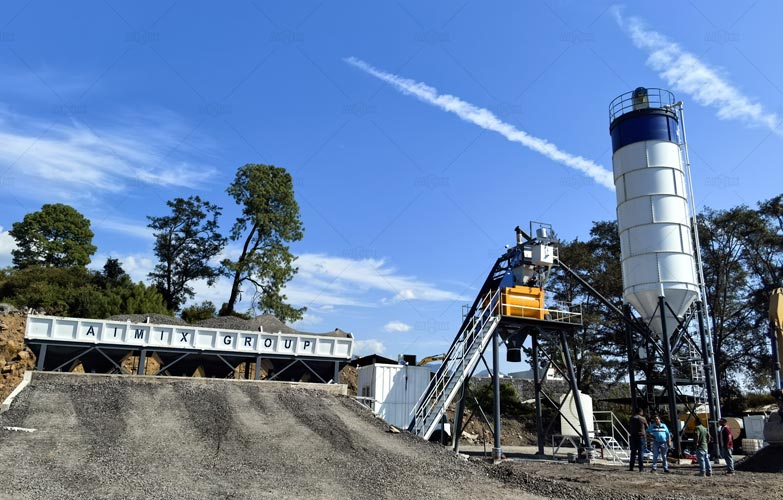
Choosing Asphalt Plants for Long-Term Latin American Projects

AIMIX is a professional mining and construction equipment solution supplier and manufacturer.
For governments and large-scale contractors embarking on multi-year highway and infrastructure projects in Latin America, the choice of asphalt production equipment is a critical long-term investment. The decision goes far beyond initial capital outlay, demanding a comprehensive life-cycle cost (LCC) analysis. In a region characterized by diverse climates, logistical challenges, and economic fluctuations, selecting the plant that delivers the lowest total cost over a 10-15 year horizon requires careful consideration of durability, efficiency, maintenance, and operational flexibility. Simply searching for the cheapest asphalt plant for sale(planta de asfalto en venta) is a short-sighted strategy that often leads to higher costs in fuel, repairs, and downtime. This guide examines which plant types and features are best suited to deliver reliable, cost-effective performance throughout the lifespan of a major Latin American road project.
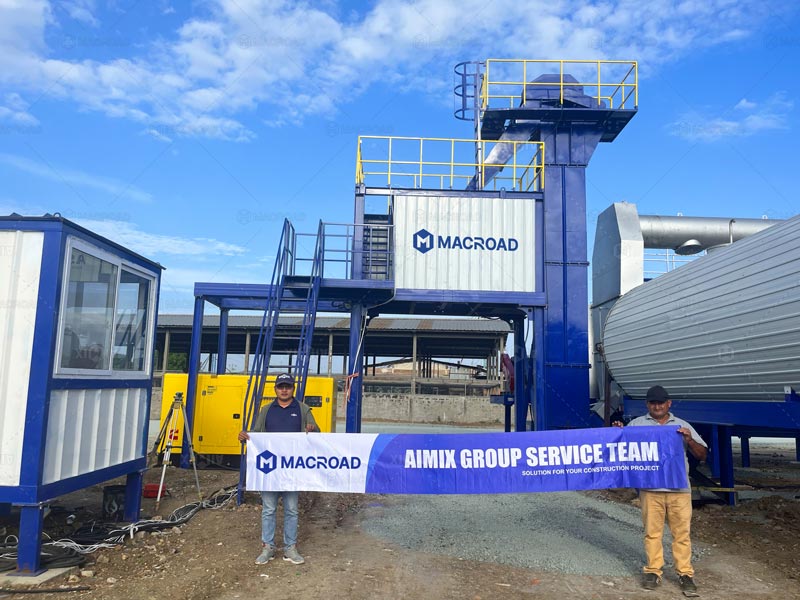
Life-Cycle Cost Analysis: Beyond the Purchase Price
Life-cycle costing is a holistic financial model that evaluates all costs associated with owning and operating an asset. For an asphalt plant, this includes:
- Initial Costs: Purchase price, shipping, import duties, installation, and commissioning.
- Operational Costs: Fuel/electricity, labor, wear parts (liners, screens, flights), and asphalt cement.
- Maintenance & Repair Costs: Scheduled maintenance, unscheduled breakdowns, and major component overhauls.
- Downtime Costs: The lost revenue and project delay penalties when the plant is not producing.
- End-of-Life Costs: Decommissioning, residual value, or relocation expenses.
The goal is to select a plant that minimizes the sum of these costs over the project's duration, even if its initial price is higher.
Plant Type Showdown: Batch vs. Drum Mix for Long-Term Duty
The fundamental choice lies between batch plants and drum mix plants. For long-term, high-volume projects in Latin America, the drum mix asphalt plant(planta de asfalto continua) often presents a compelling LCC advantage.
- Drum Mix Asphalt Plant: The Efficiency Champion
- Lower Operational Cost: Drum plants have a simpler, continuous mixing process that typically consumes 10-20% less fuel per ton of mix compared to a batch plant's start-stop cycle. This fuel saving represents a massive cost reduction over a decade of operation.
- Higher Production Simplicity: With fewer moving parts and no hot elevator or pugmill batch tower, drum plants generally require less maintenance and are less prone to major mechanical failure. This translates to lower repair costs and higher availability (uptime).
- Ideal for Steady Production: They excel at producing large volumes of a single mix type continuously, making them perfect for long highway sections.
- Batch Plant: The Flexibility Specialist
- Higher Flexibility: Batch plants are unparalleled at quickly switching between many different mix designs (e.g., for surface course, binder course, patching mixes). This is vital for urban projects with varying specifications.
- Perceived Quality Control: The ability to weigh each individual component (aggregate, filler, binder) per batch provides a high level of precision, though modern drum plants with advanced continuous weighing systems have closed this gap significantly.
- Higher Long-Term Costs: The increased complexity, higher energy consumption, and greater number of wear parts generally lead to a higher operational and maintenance cost profile over a plant's life.
Verdict: For the typical long-distance, high-tonnage road project, a high-quality drum mix asphalt plant usually offers a superior life-cycle cost due to its relentless efficiency and reliability.
Critical Features for Minimizing Life-Cycle Costs
Regardless of the chosen type, specific features are non-negotiable for long-term economic viability in the Latin American context.
- Robust Construction and Corrosion Protection: Coastal humidity, Andean temperature swings, and seasonal rains demand superior corrosion resistance. Plants with high-grade steel, quality paint systems (e.g., powder coating), and galvanized components will have a much longer service life and lower maintenance costs than lightly built alternatives. This is a crucial factor when evaluating an asphalt plant in Peru(planta de asfalto en Perú), where coastal and highland environments coexist.
- Advanced Combustion and Drying Technology: The dryer burner is the heart of fuel efficiency. Investing in a plant with a high-efficiency, low-NOx burner and an optimally designed flight pattern in the drum can save hundreds of thousands of dollars in fuel over the project's life. Automation that precisely controls the fuel-to-air ratio is essential.
- Intelligent Automation and Predictive Maintenance: A modern, computerized control system does more than just run the plant. It provides data for predictive maintenance—tracking motor amperage, bearing temperatures, and production trends to forecast failures before they cause downtime. This capability is invaluable for planning maintenance during scheduled breaks, avoiding catastrophic project delays.
- Modularity and Relocation Potential: A long-term project may involve moving the plant along the highway corridor. A modular design that allows for relatively straightforward disassembly, transport, and reassembly protects your investment and extends its useful life beyond the initial project. This future flexibility adds residual value.
The Procurement Strategy: Quality Over "Cheap"
When sourcing equipment, a long-term LCC perspective fundamentally changes the approach.
- Avoid the "Bargain" Trap: The lowest initial asphalt plant for sale often carries hidden LCC penalties: poor fuel efficiency, substandard components that fail quickly, and limited technical support. The savings on day one are erased by years of higher operating expenses.
- Prioritize Local Service and Parts Support: The availability of timely technical service and genuine spare parts is perhaps the single greatest factor in minimizing downtime costs. Before purchasing, verify the manufacturer's or distributor's support network in the region. A slightly more expensive plant with a strong local partner for your asphalt plant in Peru will have a far lower LCC than a bargain unit with no support.
- Total Cost of Ownership Modeling: Require suppliers to provide not just a price, but data on expected fuel consumption, wear part life, and recommended maintenance schedules. Use this to build a 10-year financial model.
Conclusion: Investing in Decades of Reliability
Selecting an asphalt plant for a long-term Latin American road project is a strategic decision with decades-long implications. From a life-cycle cost perspective, the evidence strongly favors investing in robust, fuel-efficient technology—often embodied in a well-engineered drum mix asphalt plant—backed by impeccable local service. The focus must shift from minimizing first cost to maximizing long-term value, reliability, and uptime. By prioritizing heavy-duty construction, intelligent automation, and efficient combustion, project owners and contractors secure not just a piece of machinery, but a predictable, low-cost production partner that will reliably deliver mix, year after year, ensuring the road is built on time, on budget, and on spec. This disciplined, long-view approach is the hallmark of successful infrastructure development.
Subscribe to unlock premium content
Sed at tellus, pharetra lacus, aenean risus non nisl ultricies commodo diam aliquet arcu enim eu leo porttitor habitasse adipiscing porttitor varius ultricies facilisis viverra lacus neque.