How To Ensure Concrete Consistency Through Batching Plants In Latin America

AIMIX is a professional mining and construction equipment solution supplier and manufacturer.
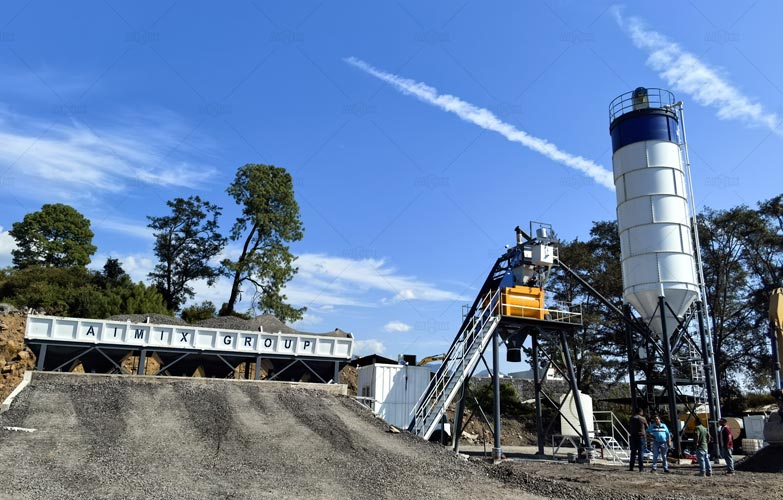
Concrete production in Latin America faces unique challenges due to highly variable climate conditions. Temperature fluctuations, humidity changes, and seasonal rainfall can all affect the quality and workability of concrete. For construction projects—ranging from urban infrastructure to remote rural developments—maintaining consistent concrete performance is crucial. Investing in a reliable concrete plant(planta de concreto), whether a large-scale stationary unit or a small concrete plant, allows contractors to mitigate environmental impacts while ensuring that concrete meets the required standards. Understanding the role of technology, process control, and proper equipment selection is essential for success.

The Challenges Of Climate Variability On Concrete Quality
Latin America’s diverse geography means projects can experience hot, humid tropical conditions in coastal areas, cold temperatures at high altitudes, and seasonal rains in many regions. These factors influence concrete in several ways:
- High temperatures accelerate setting times, potentially causing cracking or reduced workability
- Excess humidity can alter aggregate moisture content, impacting mix ratios
- Rainfall can dilute the concrete mix if not properly controlled
Without precise monitoring and control, these variables can lead to inconsistent batches, rework, wasted materials, and higher operational costs. Contractors need batching plants capable of producing uniform concrete regardless of climate fluctuations.
How Batching Plants Maintain Concrete Consistency
Automated Mixing And Accurate Weighing
Modern concrete plants use automated weighing systems for cement, aggregates, water, and additives. This ensures that each batch follows the exact design mix, reducing human error and improving consistency.
By precisely measuring every ingredient, these plants can compensate for variations in aggregate moisture or environmental conditions. This is particularly important for Latin America, where rainfall or humidity can alter material properties on a daily basis.
Controlled Mixing Times And Homogeneous Blends
Consistency is not just about ratios—it’s also about thorough mixing. Batching plants allow operators to adjust mixing speed and duration based on environmental conditions. Longer mixing may be needed in colder areas to achieve uniform hydration, while rapid mixing can be applied in hotter climates to prevent premature setting.
A small concrete plant can be surprisingly effective in localized projects where frequent batch adjustments are needed. Its flexibility allows contractors to adapt production to changing site conditions without compromising quality.
Monitoring And Quality Control Systems
Many modern plants feature sensors that continuously monitor parameters such as temperature, slump, and moisture content. Real-time feedback allows operators to make immediate adjustments, ensuring each batch meets the design requirements.
Data logging capabilities also provide a record of every batch, helping contractors demonstrate compliance with regulatory standards and client specifications. Over time, these records become valuable for analyzing trends and improving operational efficiency.
Selecting The Right Concrete Plant For Latin American Projects
Evaluating Concrete Plant Price And Features
When selecting a concrete plant, contractors should balance cost against features and reliability. A higher concrete plant price(planta de concreto precio) often reflects better automation, more precise monitoring systems, and superior build quality—all of which contribute to consistent concrete performance.
Investing in quality equipment reduces rework, material waste, and delays caused by inconsistent batches, ultimately protecting profitability.
Choosing Between Small And Large Plants
For large urban infrastructure or industrial projects, a high-capacity stationary plant may be appropriate, providing continuous supply and minimal downtime. For smaller projects or sites with limited space, a small concrete plant(planta de concreto pequeña) can deliver the same consistency on a manageable scale, while offering easier relocation and faster setup.
Flexibility in production size allows contractors to respond to fluctuating demand and environmental changes without compromising quality.
Considering Environmental Adaptations
Latin American contractors should also consider features that address climate variability, such as:
- Temperature-controlled mixers for extreme heat or cold
- Moisture sensors for aggregate bins
- Adjustable water dosing systems to compensate for rain or high humidity
These adaptations ensure that concrete properties remain consistent, regardless of external conditions.
Long-Term Benefits Of Ensuring Consistency
Maintaining consistent concrete quality has several long-term advantages for Latin American construction companies:
- Reduced material waste and lower project costs
- Minimized rework and faster project completion
- Improved client satisfaction and stronger reputation
- Better compliance with local and international standards
By investing in a reliable concrete plant, contractors can transform the challenges of variable climate into an opportunity to deliver higher-quality, cost-efficient projects.
Conclusion
Consistency in concrete production is critical for successful construction projects across Latin America. A modern concrete plant, whether large or a small concrete plant, equipped with automated batching, precise weighing, and real-time monitoring, ensures that environmental variables do not compromise quality. Considering the concrete plant price in relation to long-term benefits and operational reliability allows contractors to make informed decisions. With the right equipment and processes, Latin American construction companies can overcome climate challenges, reduce waste, and achieve predictable, high-quality outcomes on every project.
Subscribe to unlock premium content
Sed at tellus, pharetra lacus, aenean risus non nisl ultricies commodo diam aliquet arcu enim eu leo porttitor habitasse adipiscing porttitor varius ultricies facilisis viverra lacus neque.